Reliability engineering · Asset management
Reliability engineering for the infrastructure that keeps data centers online
Availability depends on more than individual pieces of equipment. It depends on how power, cooling, controls, people, procedures, maintenance, spares and supporting systems work together.
Standards that inform our approach
We apply established asset management, reliability and risk principles to help data-center operators make better decisions about critical assets, maintenance, resilience and lifecycle risk.
Asset Management
- ISO 55000 / ISO 55001 / ISO 55002
Reliability & Maintenance
- SAE JA1011 / JA1012
- IEC 60812
Asset & Reliability Data
- ISO 14224
Functional Safety Principles
- IEC 61508
The problem
A redundant design is not the same as a reliable service
N+1 and 2N describe intended topology. They do not demonstrate that a facility stays available through real maintenance windows, degraded operation, long lead times and human action.
Shared controls, shared rooms, shared fuel systems, a single procedure or one deferred inspection can defeat otherwise redundant equipment. None of that appears on a dashboard.
Our work covers critical power, cooling, controls, fuel, water, fire and life-safety systems and supporting infrastructure across the full asset lifecycle — from design and operational handover through maintenance, modernisation, life extension and replacement.
- Scope
- Critical power, cooling, controls, fuel, water, fire and life safety
- Lifecycle
- Design, handover, operation, modernisation, life extension, replacement
- Output
- Risk-ranked registers, CMMS-ready plans, spares strategy, investment cases
What we do
Six outcomes, sixteen engineering methods
Each group below is a decision a data-center organisation has to make. The methods underneath them are how we make that decision defensible.
Reliability Assessment and Roadmap
Independent assessment of critical infrastructure, operational practice, maintenance and system dependencies — producing a prioritised plan to reduce availability risk.
Criticality, FMEA and RCM
Identify the assets and failure modes that matter most, then engineer the appropriate maintenance, monitoring, operating or redesign response.
Resilience and Failure Analysis
Evaluate redundancy, single points of failure, common-cause exposure, recovery capability and recurring incidents across the complete service chain.
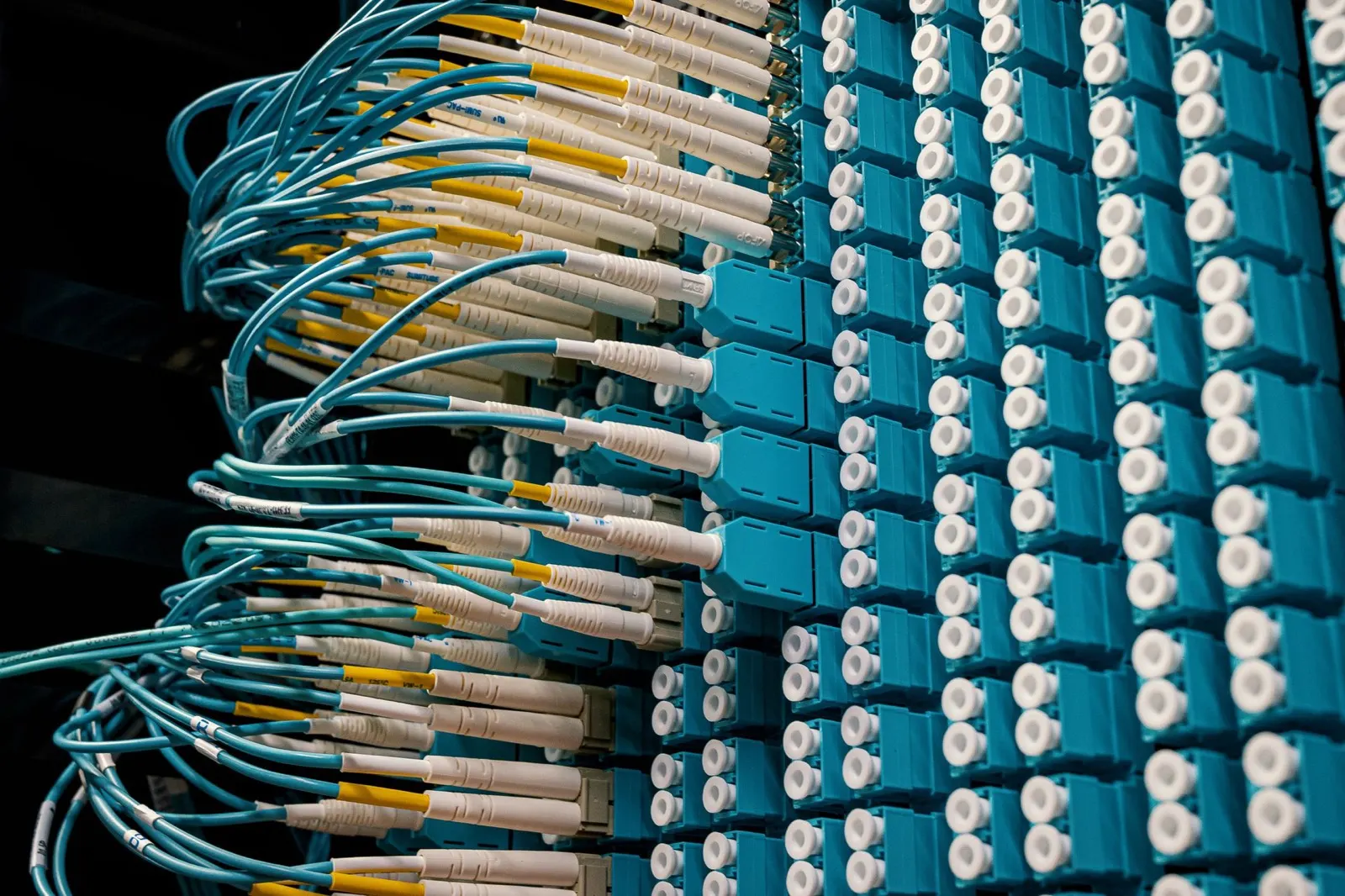
Asset Data and CMMS
Build a trusted technical hierarchy, asset register, maintenance programme, spares structure and reliability-data foundation inside the systems you already operate.
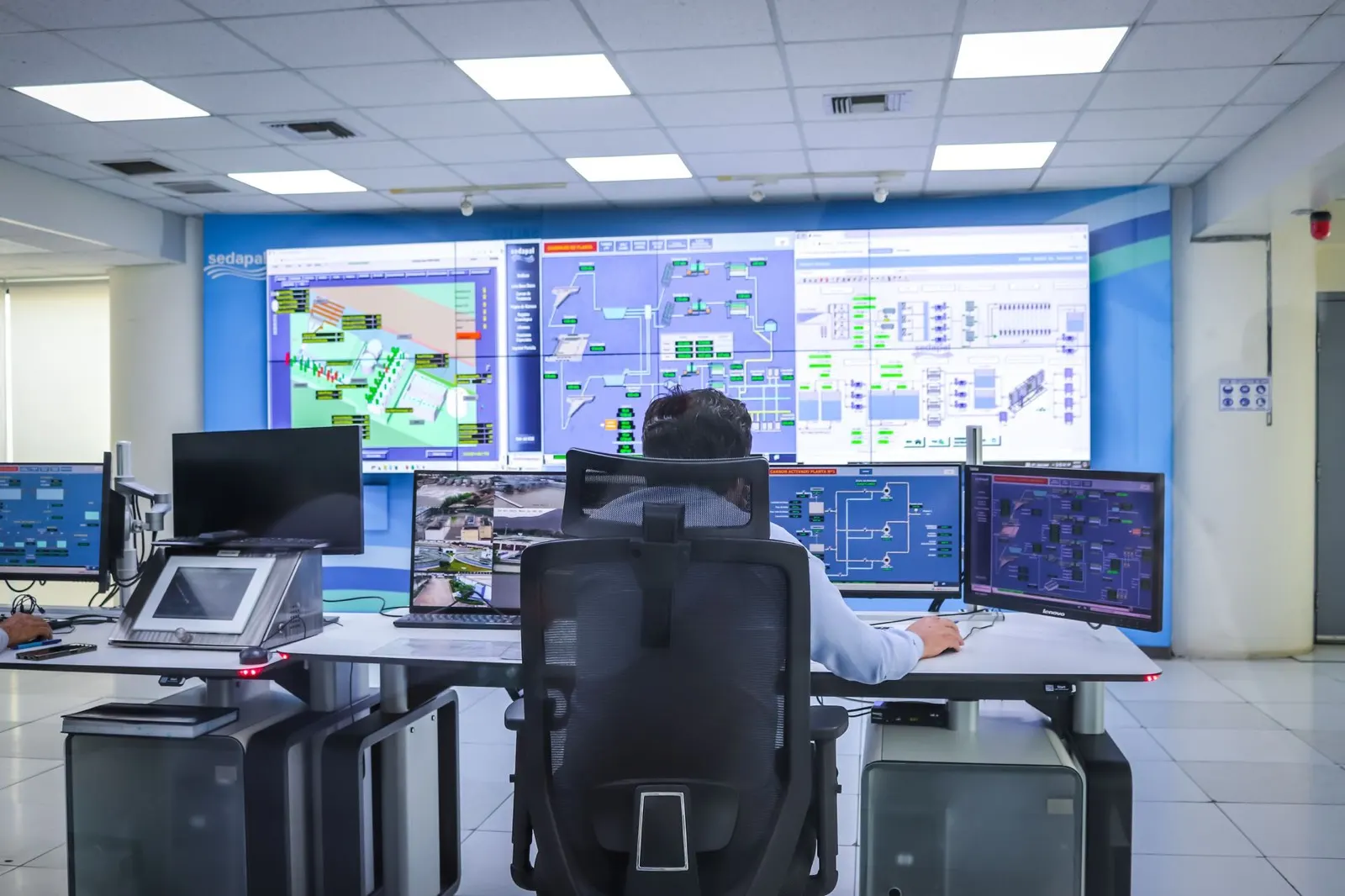
Lifecycle and Investment Planning
Use condition, risk, capacity, cost and obsolescence evidence to decide when to maintain, refurbish, expand, replace or retire critical infrastructure.
ISO 55001 and Operational Readiness
Connect asset decisions to organisational objectives, and ensure governance, people, processes, information and maintenance capability are ready to sustain performance.
Where we work
Data centers, and the infrastructure that supports them
Data centers are the only sector we serve. The engineering differs by operating model, not by discipline.
Colocation
Contractual availability commitments, customer-facing SLAs, concurrent maintainability, and evidence a customer's audit team will accept.
Hyperscale
Standardised asset classes across a fleet, consistent criticality and failure coding, and reliability data that can be compared between sites.
Enterprise and financial
Facilities supporting regulated services, where operational resilience obligations and evidence of control matter as much as uptime.
Edge and distributed
Unstaffed or lightly staffed sites where spares strategy, remote detection and restoration time dominate availability.
The asset lifecycle
Reliability is decided long before an asset fails
- Design and acquisition
- Maintainability, isolation, redundancy that survives maintenance, and data requirements written into the specification.
- Handover
- Asset register, CMMS load, job plans, spares, procedures, training and competency in place before operational acceptance.
- Operate and maintain
- Criticality-led maintenance strategy, condition monitoring, defect elimination and disciplined work management.
- Renew or replace
- Condition, obsolescence, capacity and cost evidence driving the timing of refurbishment, upgrade or replacement.
Insights
Standards, explained for the people who fund the work
9 min read
What ISO 55001 actually asks of you
The standard is short, unglamorous and frequently misread as a documentation exercise. Read against a live data center, its requirements are specific and largely about decisions, not paperwork.
7 min read
Criticality before frequency
Almost every maintenance argument in a data center is really an argument about frequency. It is the wrong argument to have first.
Start with an assessment
A structured, independent review of your critical systems, maintenance programme and operating practice — with a prioritised 90-day and long-term roadmap at the end of it.