Approach
How we engage
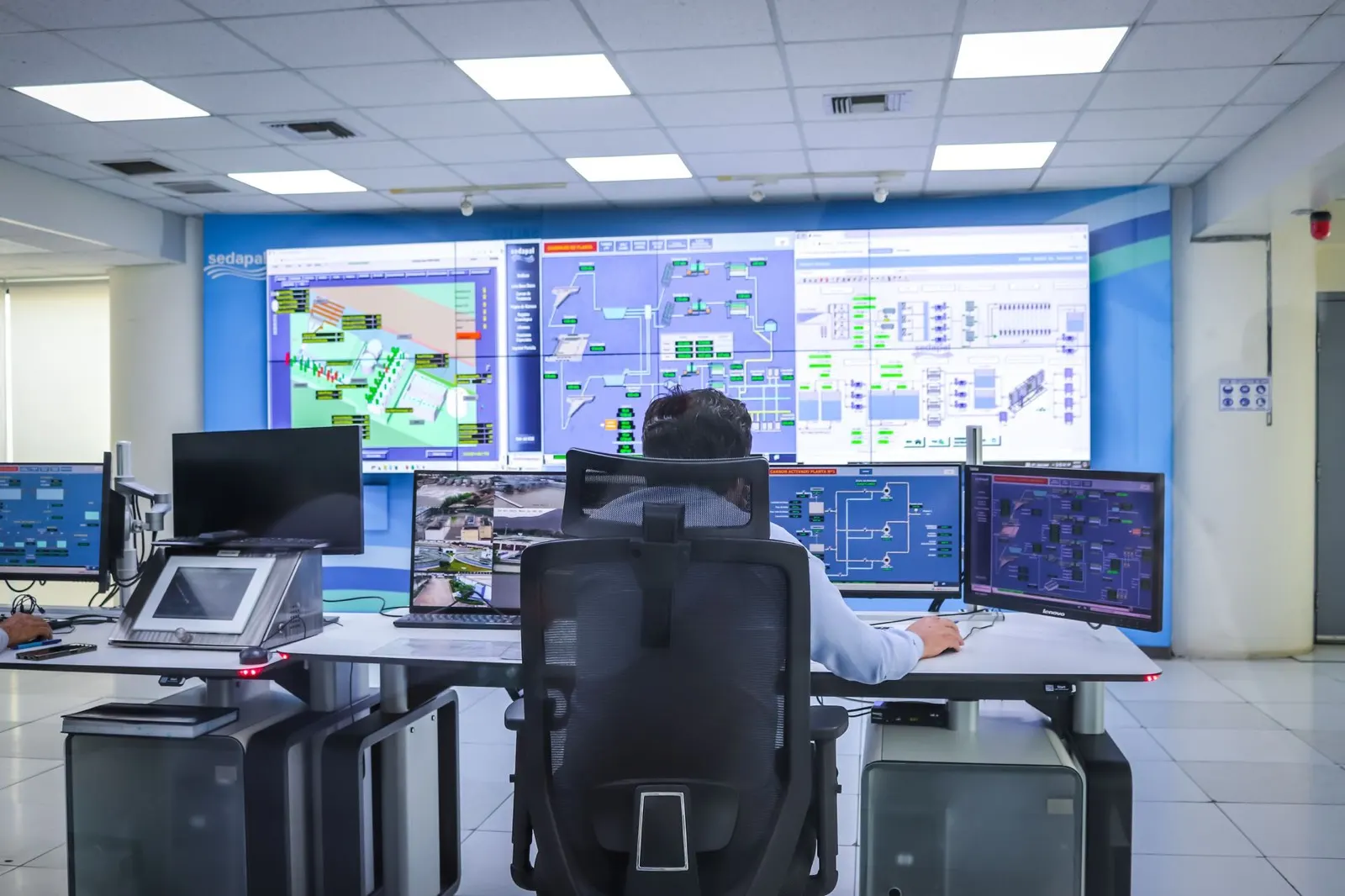
Most clients start with an assessment, run a focused pilot on the findings that matter, and then keep an engineer available as the programme becomes routine.
4–8 weeks
Reliability assessment
An independent baseline of the facility: systems, dependencies, maintenance programme, data quality, spares position and operating practice.
- Document and drawing review, CMMS and maintenance-history analysis
- Site inspection and structured interviews with operations and maintenance staff
- Criticality screening across the critical power and cooling chain
- Single-point-of-failure and dependency observations
- Executive report, risk-ranked findings, 90-day and long-term roadmap
Access to drawings, CMMS export, maintenance history, procedures, and time with your operations team.
90 days
Improvement pilot
Take the highest-consequence findings and turn them into engineered, implemented change on a defined scope — one system, one hall or one site.
- Technical hierarchy and asset register for the pilot scope
- Criticality analysis and FMEA on the selected systems
- RCM or PM optimisation producing CMMS-ready task plans
- Critical-spares and obsolescence review for the same scope
- Implementation support, acceptance testing and handover to your team
A named owner on your side, a defined scope boundary, and CMMS write access or a data-load window.
Ongoing
Reliability retainer
Engineering capacity available against an agreed cadence: analysis of new failures, review of proposed changes, and continuing extension of the programme across the estate.
- Root-cause analysis on significant incidents and repeat failures
- Review of maintenance-window plans and methods of procedure
- Rolling extension of hierarchy, criticality and RCM to further systems
- KPI and asset-health reporting against your management-review cycle
- Operational-readiness review for new builds and modifications
An agreed monthly capacity, a standing review meeting, and access to incident and change records.
What an engagement looks like
From evidence to implemented change
- 1. Scope
- Agree boundaries, systems in scope, access requirements and what decisions the work must support.
- 2. Evidence
- Documents, data, site verification and interviews. We work from the facility as it is, not as drawn.
- 3. Analysis
- Criticality, failure modes, dependencies, maintenance effectiveness, data quality and lifecycle position.
- 4. Decision
- Findings risk-ranked and presented so management can choose, defer or fund with the consequences visible.
- 5. Implementation
- Task plans, registers and procedures loaded into your systems, with your team trained to own them.
- 6. Verification
- Effectiveness checks, KPI baselines and a scheduled review so the change survives the engagement.
Discuss scope
Tell us the facility, the systems that concern you, and the decision you are trying to make. We will tell you which engagement fits.