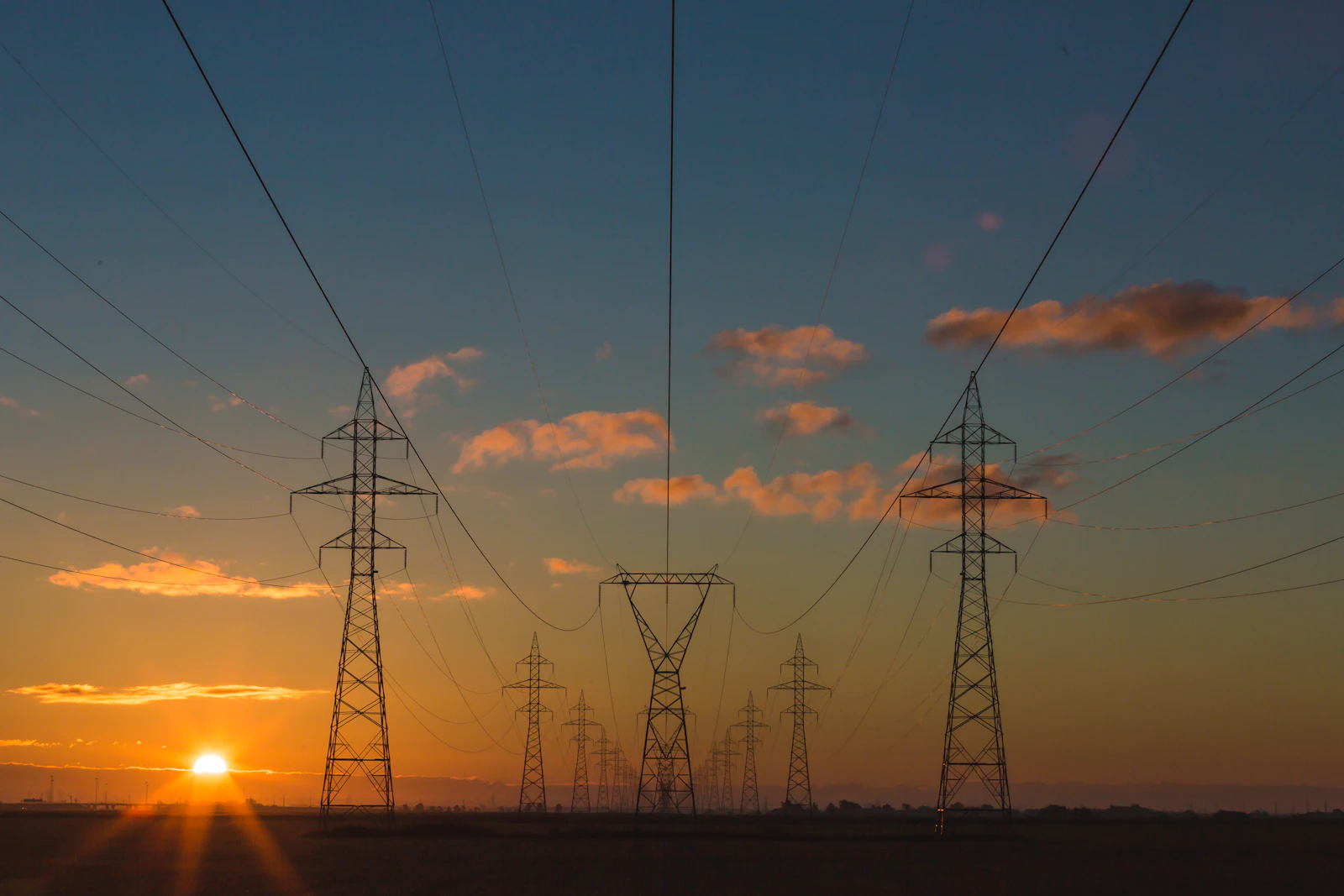
CLP and HKE capacity, not land, is the binding constraint on Hong Kong data-centre growth. Sandy Ridge is years out. New allocations are rationed. In that world, every stranded MW inside an existing hall is a strategic loss.
Reliability engineering is one of the few levers that recovers usable capacity without new supply. Correct criticality prevents over-provisioning of redundant plant. FMEA reduces the overhead spend needed to hit availability targets.
Operators often discover 5–15% of contracted capacity is effectively stranded by conservative N+N posture that no longer matches the criticality of the loads. Recalibrating standby and inspection regimes against a live ACR frees MW for revenue without a transformer upgrade.
It is unglamorous work, but the arithmetic favours it. A reliability retainer that unlocks even a few hundred kW of usable capacity pays for itself many times over at current HK rack rates.
Until new grid capacity lands, the winners will be the operators who extract more useful watts from the halls they already have — with evidence their boards and tenants can trust.
- Grid capacity is the constraint — stranded MW is lost revenue.
- ACR-aligned redundancy frees capacity without new supply.
- Reliability retainers can pay back via recovered usable kW.
- Evidence beats folklore when challenging N+N assumptions.
Want this analysis applied to your own facility?
Book a fixed-scope reliability assessment — one hall or one campus, four to eight weeks.
Book an assessment →

