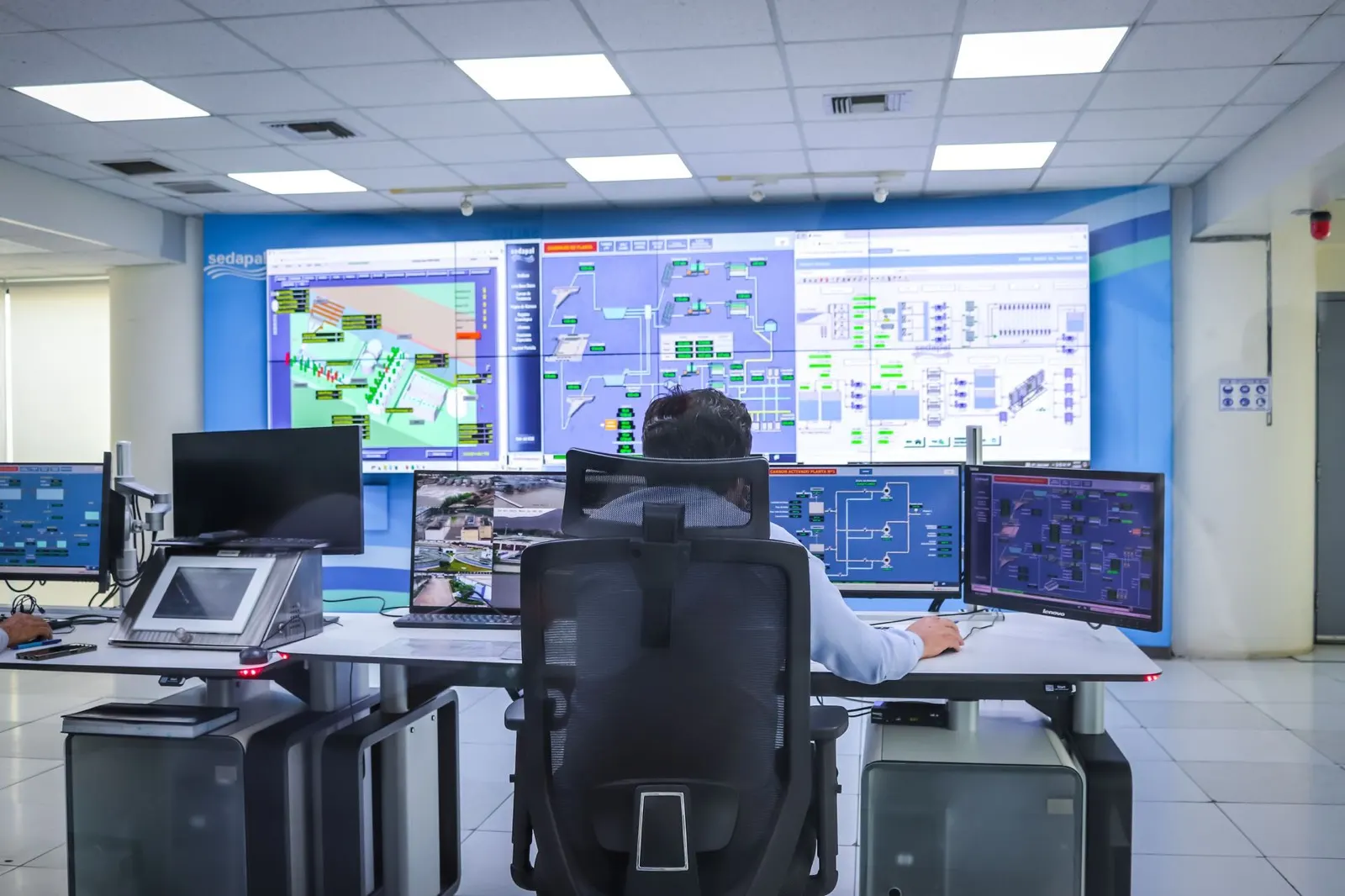
4–8 weeks
Reliability assessment
An independent baseline of the facility: systems, dependencies, maintenance programme, data quality, spares position and operating practice.
- Document and drawing review, CMMS and maintenance-history analysis
- Site inspection and structured interviews with operations and maintenance staff
- Criticality screening across the critical power and cooling chain
- Single-point-of-failure and dependency observations
- Executive report, risk-ranked findings, 90-day and long-term roadmap
Access to drawings, CMMS export, maintenance history, procedures, and time with your operations team.
90 days
Improvement pilot
Take the highest-consequence findings and turn them into engineered, implemented change on a defined scope — one system, one hall or one site.
- Technical hierarchy and asset register for the pilot scope
- Criticality analysis and FMEA on the selected systems
- RCM or PM optimisation producing CMMS-ready task plans
- Critical-spares and obsolescence review for the same scope
- Implementation support, acceptance testing and handover to your team
A named owner on your side, a defined scope boundary, and CMMS write access or a data-load window.
Ongoing
Reliability retainer
Engineering capacity available against an agreed cadence: analysis of new failures, review of proposed changes, and continuing extension of the programme across the estate.
- Root-cause analysis on significant incidents and repeat failures
- Review of maintenance-window plans and methods of procedure
- Rolling extension of hierarchy, criticality and RCM to further systems
- KPI and asset-health reporting against your management-review cycle
- Operational-readiness review for new builds and modifications
An agreed monthly capacity, a standing review meeting, and access to incident and change records.
項目流程
由證據到落地改變
- 1. 界定範圍
- 確定邊界、涵蓋系統、所需權限,以及此項工作須支援的決策。
- 2. 收集證據
- 文件、數據、現場核實及訪談。我們以設施的實際狀況為準,而非圖紙上的狀況。
- 3. 分析
- 關鍵性、失效模式、依存關係、維護成效、數據質素及生命週期位置。
- 4. 決策
- 發現按風險排序呈交管理層,令選擇、延後或撥款的後果一目了然。
- 5. 落實
- 把工作計劃、登記冊及程序載入你的系統,並培訓團隊自行掌握。
- 6. 驗證
- 成效檢查、KPI 基準及既定檢討安排,確保改變在項目結束後仍然維持。
商討項目範圍
告訴我們設施情況、你關注的系統,以及你正在作出的決策,我們會建議合適的合作模式。